Why Global Brands Are Turning to Japanese Manga and Anime IP
Japan has connected manga/anime with products, advertising, merchandising, and character licensing for decades.
One early example is Astro Boy in the 1960s.
The series was not only a popular manga and anime. It was also connected to sponsorship, toys, merchandising, advertising, and character licensing.
After Astro Boy, this logic continued in many forms: Mobile Suit Gundam through Gunpla, Pokémon through games, anime, cards and licensing, and more recently Demon Slayer through large-scale product collaborations.
In the Western market, the visible use of existing Japanese manga and anime IP by major brands is a relatively recent development.
One prominent example is Adidas Originals x Dragon Ball Z in 2018. Adidas released the collection in several waves, with the rollout linked to the narrative structure and iconic battles of the series. Rather than simply placing anime imagery on sneakers, the collaboration translated the world of Dragon Ball Z into a fashion and streetwear release strategy.
Another important example is LOEWE’s collaboration with Studio Ghibli.
This unfolded across three capsule collections between 2021 and 2023, beginning with My Neighbor Totoro, followed by Spirited Away, and concluding with Howl’s Moving Castle.
Other examples include Coach x Naruto, Longchamp x Pokémon, Levi’s x Pokémon, Gucci x Doraemon, Vans x Sailor Moon, and PUMA x One Piece.
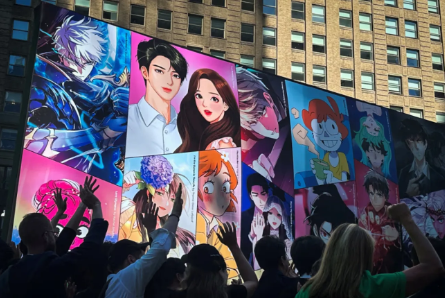
These examples show that Western brands increasingly use Japanese manga and anime IP not only as decoration, but as cultural language. They use it for nostalgia, fandom, collectability, emotional identity, streetwear credibility, luxury storytelling, and world-building.
This is one powerful approach: working with an existing IP that already has cultural recognition and emotional value. It can bring instant awareness, a built-in fan base, visual familiarity, and a strong emotional connection.
But there is another approach that can be even more effective, depending on what you are trying to achieve.
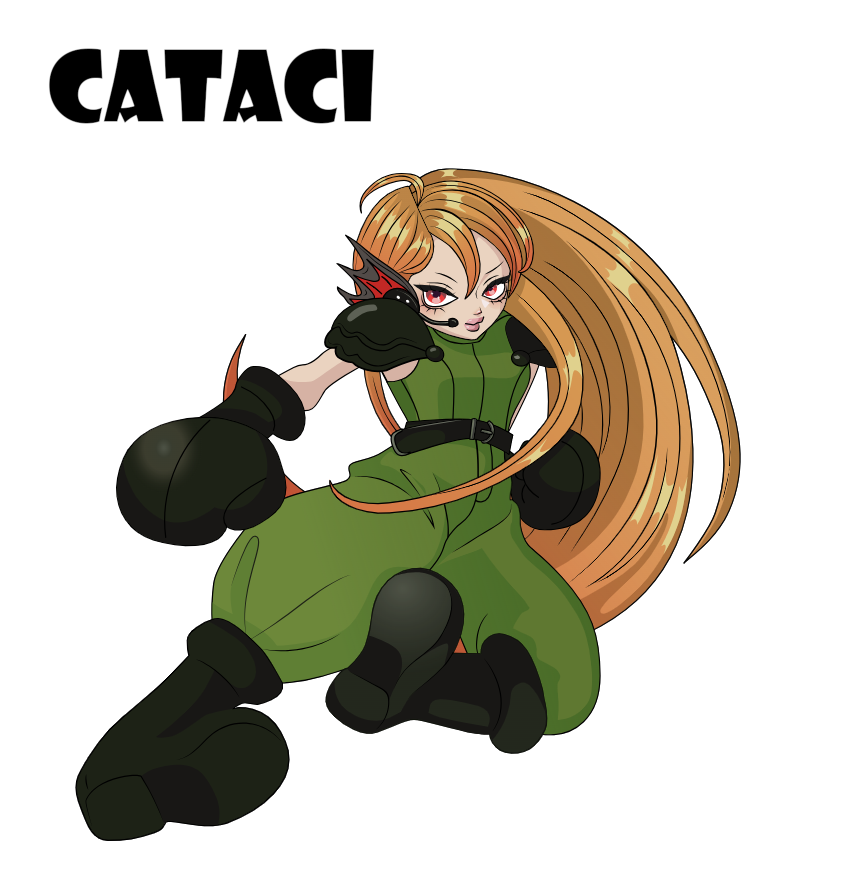
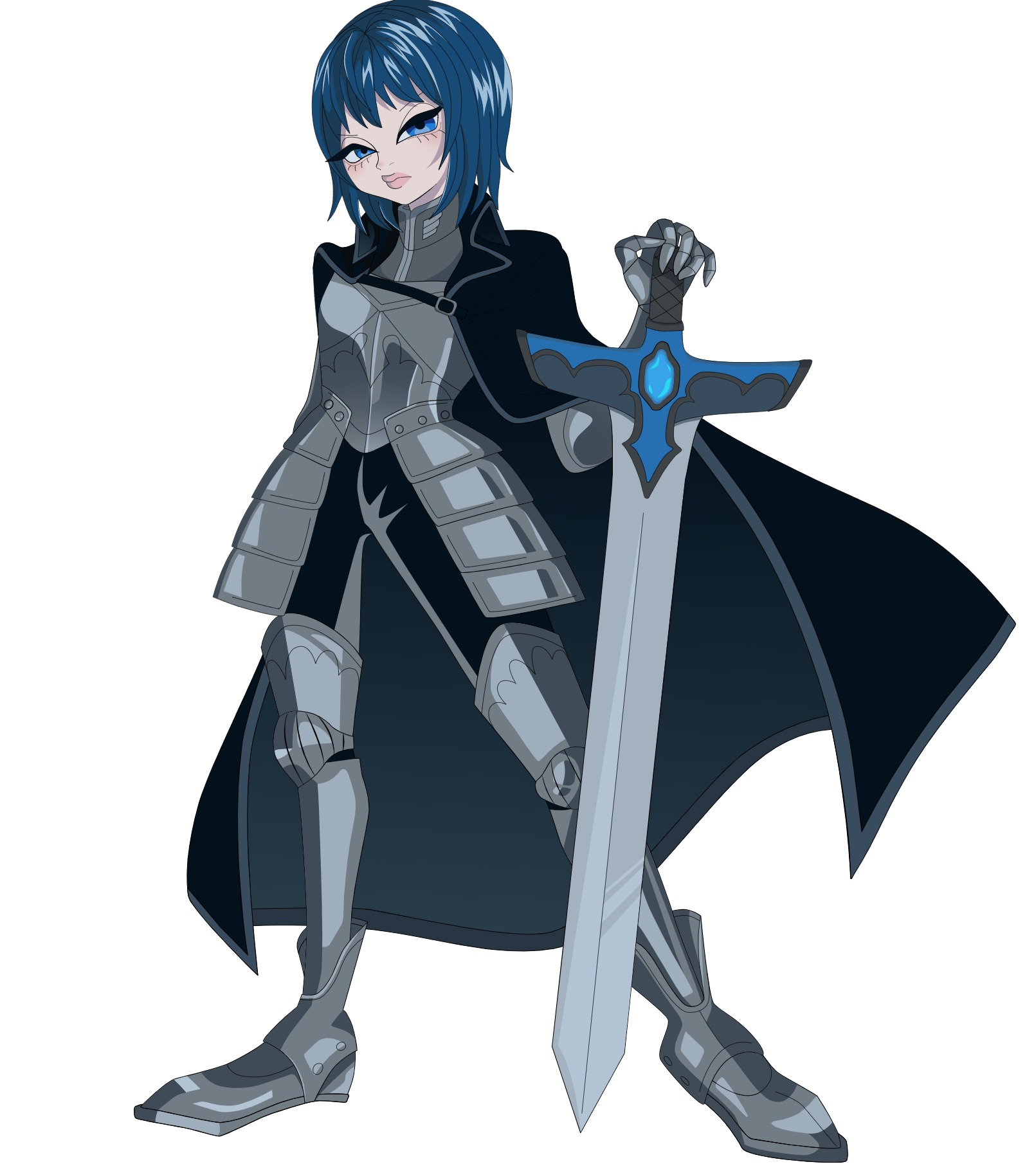
In the next post, I will look at another path: creating an original manga/anime-inspired visual world for a brand, rather than working with an existing IP.